

Flexible Grouping: A Key to Differentiated Success
Lesson Support
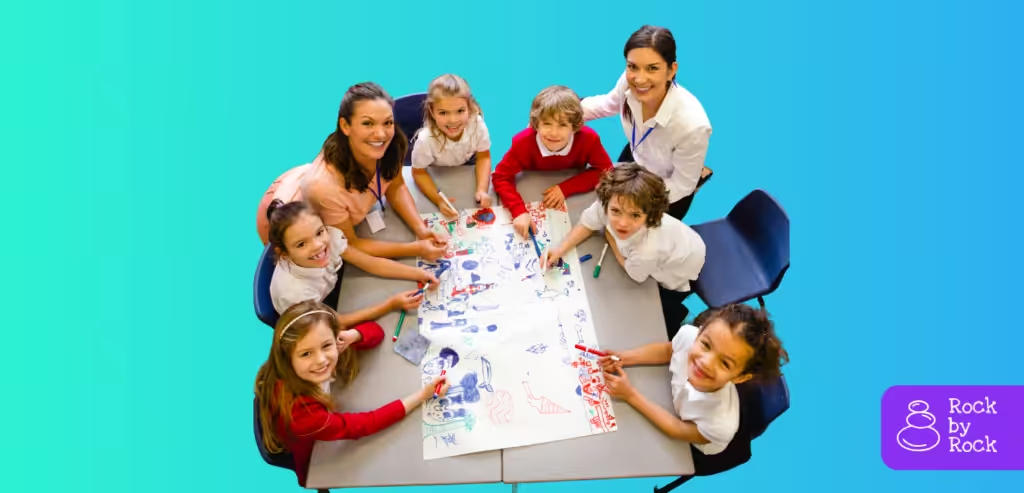
Make flexible grouping the solution
We know that different students have different needs. Whether a student is neurodivergent or neurotypical, needs vary.
In microschools and innovative classrooms, where multi-age and multi-ability learning are the norm, flexibility becomes essential. The key is moving away from fixed groups to a flexible grouping solution and creating dynamic, adaptable groupings that foster collaboration, engagement, and success for every student.
Why flexible grouping works
This strategy is a dynamic way to tailor learning experiences, allowing students to work in various configurations based on their needs and interests.
How does flexible grouping work?
- Skill-Based Grouping: Create groups to target specific skills. For example, during a math-focused project, group students needing extra practice with fractions while providing enrichment tasks for those who are ready for advanced challenges.
- Interest-Based Grouping: Group students based on shared passions. For example, in a sustainability project, students interested in design might create promotional materials, while others research solutions. This approach sparks creativity and keeps students motivated.
- Mixed-Ability Grouping: Combine students with different strengths. Older students can mentor younger peers, or students with strong writing skills can support others during collaborative tasks. Mixed-ability groups build confidence, leadership, and empathy.

When designing flexible groups, reflect first.
- What skills are needed? Identify specific areas of focus and group students accordingly.
- What are the students’ interests? Use passions to boost engagement and creativity.
- Who can learn from each other? Pair students with complementary strengths to foster collaboration.
- What roles can students take? Assign clear tasks to ensure all students contribute meaningfully.
Remember, flexibility is key. Groups can evolve throughout a project as students’ needs change.
Unlocking potential with flexible grouping
Flexible grouping transforms classrooms into spaces where every student feels valued and supported. For neurodivergent learners, it’s a way to access content and demonstrate strengths. For all students, it’s an opportunity to build confidence, learn collaboratively, and thrive.
By embracing flexible grouping, you create an inclusive and engaging environment where every student can shine. Let’s rethink how we group students—and unlock their full potential.