3.9 Python Impact NC

A. Balance: The One Foot Challenge

Now it’s time to see what happens to an ecosystem when a species like a python invades. Are you ready?

The One Foot Challenge
How long can you stand on one foot?

The one foot challenge. Use the timer below and see how long you can stand on one foot. Can you stand for 30 seconds? One minute?

If you aren’t able to stand on one foot, try to balance a pen or pencil on your finger or nose and see how long you can hold still.

Check – See how long the average person can balance – bar graph.

How did you do?:

Check to see how long the average person can stand on one foot.

B. Ecosystem Balance

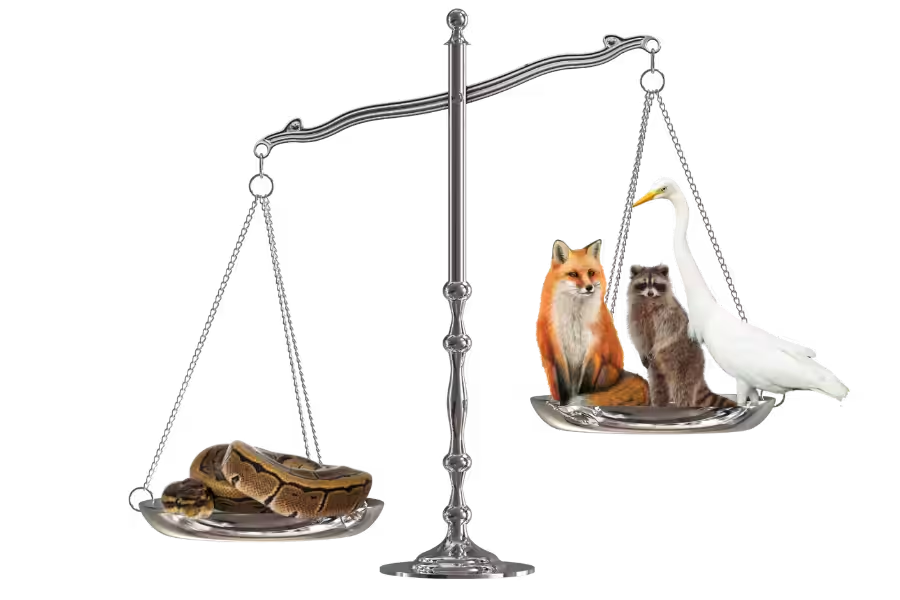
An ecosystem can be balanced or unbalanced.

A balanced ecosystem means things are in a good, healthy mix. There is just enough food, water, air, and shelter for the living things that live there.

  • There are enough plants for small animals to eat.
  • There are enough small animals for predators to eat.
  • There are not too many predators, so small animals still have a chance to survive.

When an ecosystem becomes unbalanced, something is off. One group may grow too large or too small, and that can cause problems, sometimes a very big problem.

Think About It:

What do you think?


Did the Burmese pythons help the Everglades become more balanced or more unbalanced?

C. Python Invasion: Graphs and Charts

One way to see changes in an ecosystem over time are to use graphs that show how things in that ecosystem have changed.


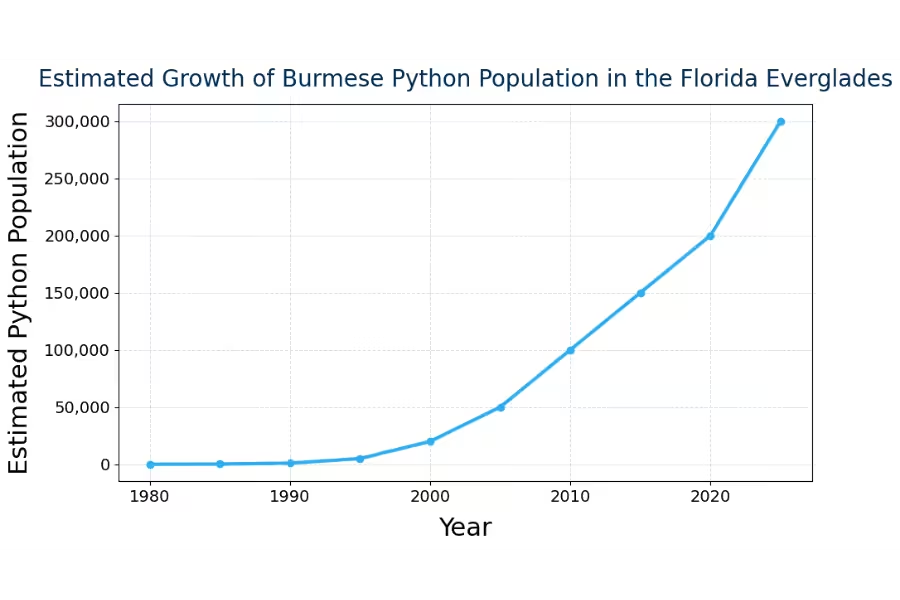
Here’s a graph of the Burmese python population in the Florida Everglades. What do you notice about the line? Is it mostly flat? Is it falling? Is it rising?

This graph shows estimated Burmese python population growth. Scientists cannot count every python, so these numbers are informed estimates based on research and field data.

Think About It:

Look at the Burmese Python population chart above. When did the population start to really grow? 

  • Between 1980 and 1990 
  • Between 1990 and 2000

D. Python Impact

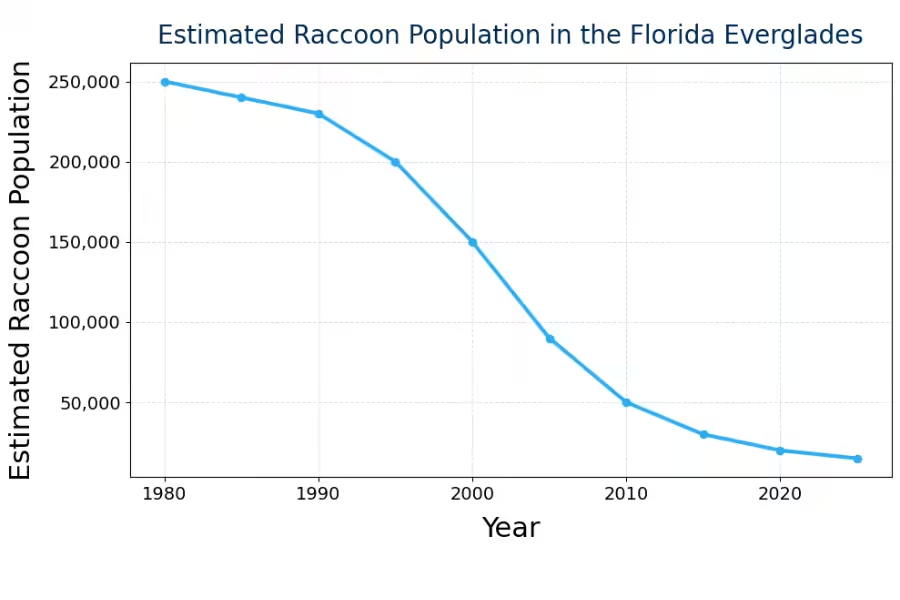
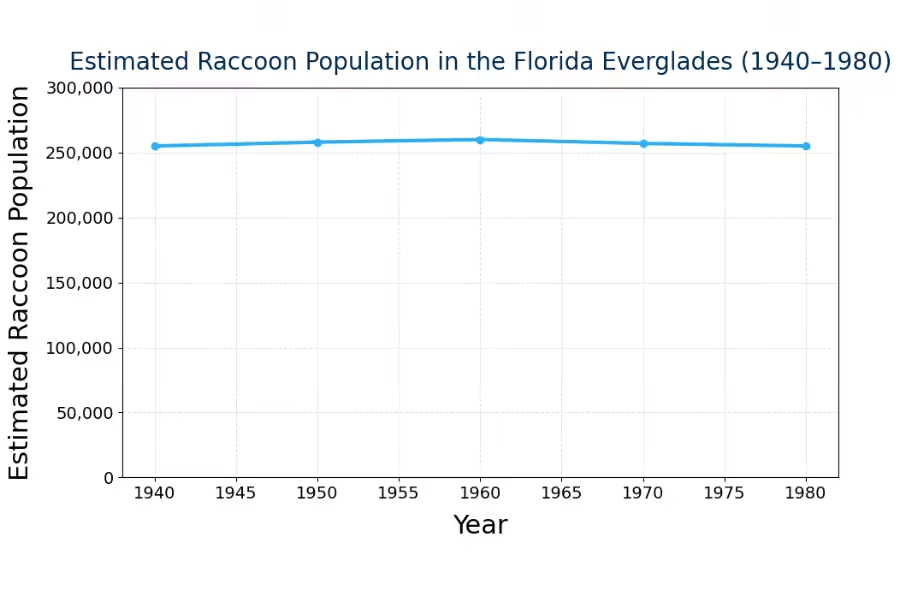
Invasive species often have a negative impact on the other animals or plants in an ecosystem. Check out the graph that shows the raccoon population in the Florida Everglades. What do you notice about the direction of the line?

This graph shows the estimated growth of the raccoon population. Scientists cannot count every raccoon, so these numbers are informed estimates based on research and field data.

Think About It:

The raccoon population graph is falling or going down. Does that mean the number of raccoons in the Everglades is increasing or decreasing? 

Invasive species often have a negative impact on the other animals or plants in an ecosystem. Check out the graph that shows the raccoon population in the Florida Everglades. What do you notice about the direction of the line?

Think About It:

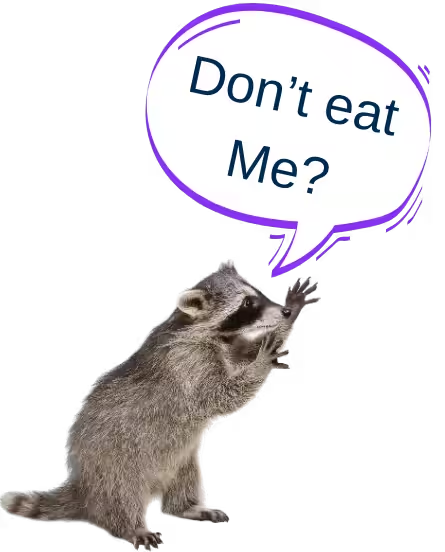
Why are the number of raccoons going down as the number of pythons is going up?

D. Balanced Past

Raccoons Before Pythons

Raccoons After Pythons

Think About It:

Both of these graphs show raccoons in the Everglades. Which one shows a balanced ecosystem?