3.4 Ecosystem Differences NC

A. Think About It

Burmese pythons did not start in Florida. But today, they are surviving, and spreading, in the Everglades. Scientists want to know why. Why does the Everglades support invasive species like Burmese pythons? We’ve learned that the Everglades are similar to the pythons native home. Let’s find out what makes an ecosystem perfect for an invading species.

A Burmese python needs:

  • places to hide
  • animals to eat
  • warm, wet conditions

Think About It:

Would Burmese pythons survive better in an open ecosystem or one with lots of plants and shelter?

B. What Makes Ecosystems Different?

Sometimes species move into a new ecosystem. Sometimes ecosystems change over time. We’re going to explore four ingredients in ecosystems that make it easier or harder for species to live there.

Some ecosystems:

  • grow dense plants
  • develop many hiding places
  • support many different species
  • have fresh water, while some have salt water
  • have moving water, while some have still water

Systems with more plants, more hiding places, and more kinds of plants and animals often support more life, including invasive species.

Check Your Thinking:

Which ecosystem would likely support more living things over time?


  • One with few plants
  • One with many plants and shelter

Ecosystem Difference 1: Moving Water

Animals and plants need water to survive. But sometimes water is still like a pond, and sometimes it’s moving like a river. How water moves can impact how many animals or species live in a location.


Think about it: Which type of water helps plants grow better? Click to find your answer.

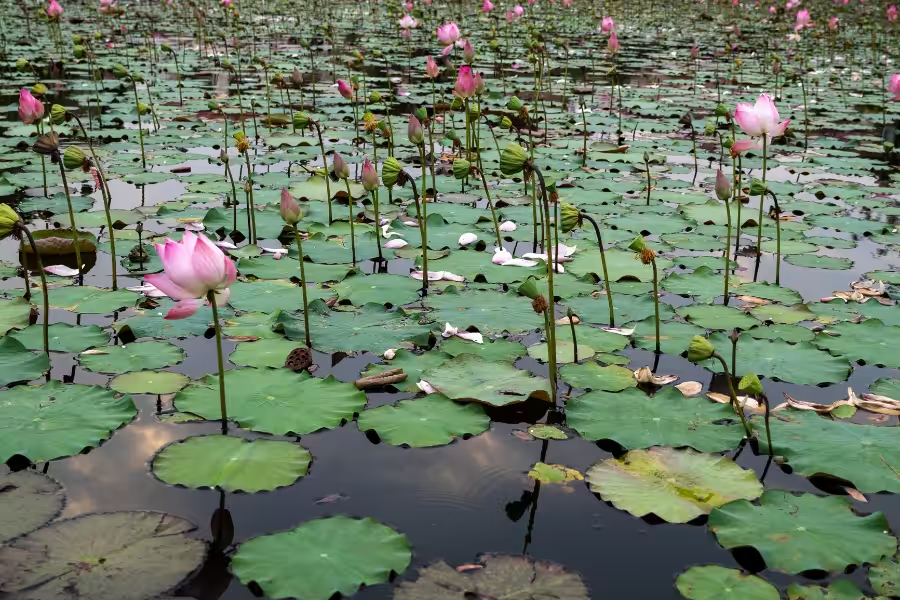
Slow-moving/ still water

Stop the Invasion 3.4 Still Water

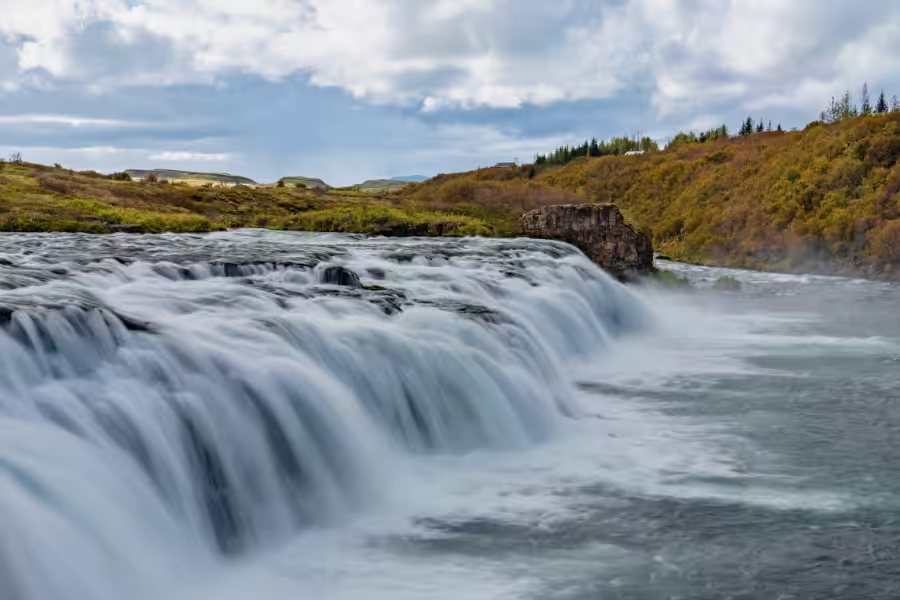
Fast-moving water

Stop the Invasion 3.4 Fast Water

Ecosystem Difference 2: Plants and Shelter

Plants do more than make food.
They also:

  • create hiding places
  • block predators from seeing prey and protect animals
  • provide shade and protection

Check Your Thinking:

How do plants help animals survive?

  • By creating shelter
  • By making water colder
  • By increasing wind
  • By making noise

Ecosystem Difference 3: Shelter Supports More Animals

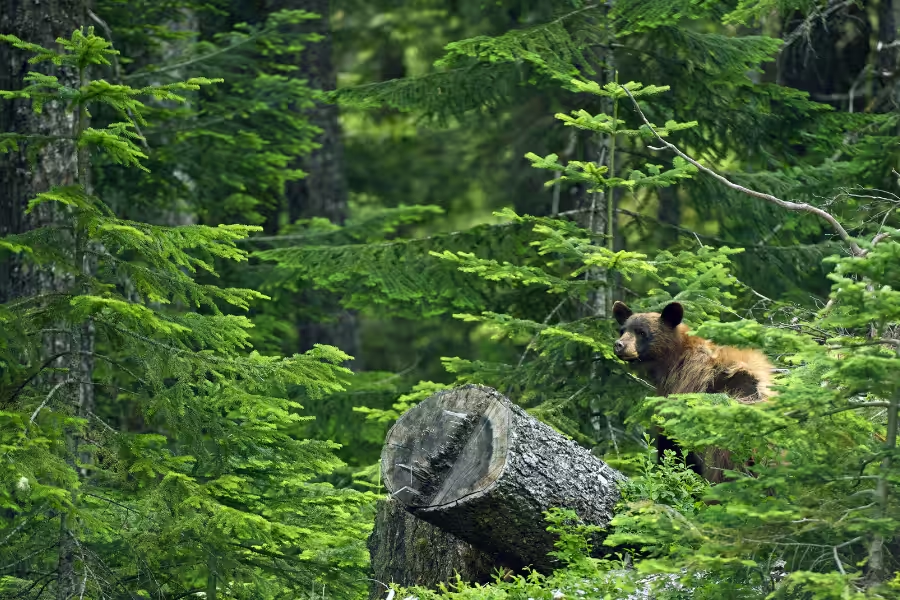
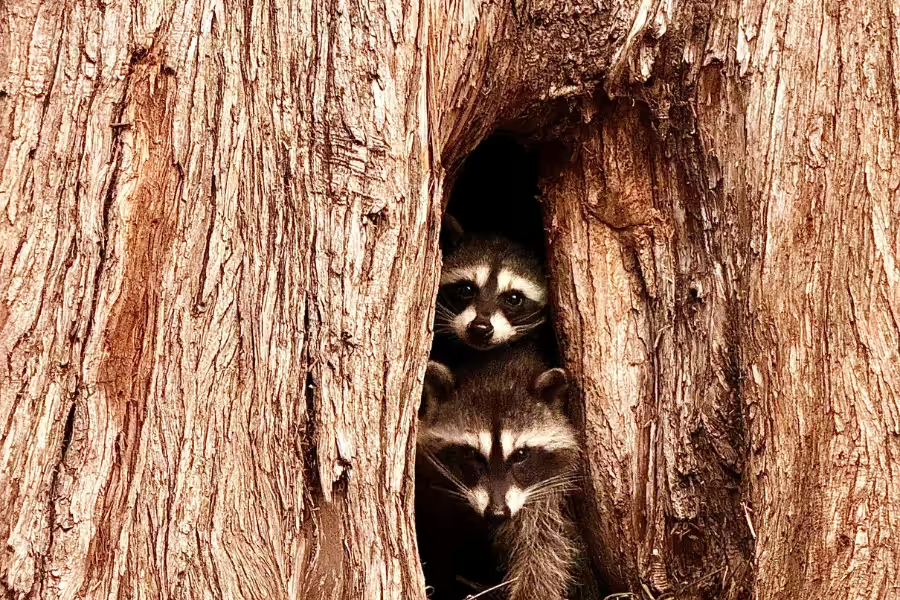
When an ecosystem has many plants, it has more places for animals to find shelter. Animals can find shelter in plants and in other natural features like rocks, fallen logs, and dead trees. These features create places to hide, rest, and stay safe. When there are more plants, there are more chances for shelter. Plants help create and support these hiding places. 


This extra shelter helps animals:

  • avoid predators
  • raise their young
  • survive longer

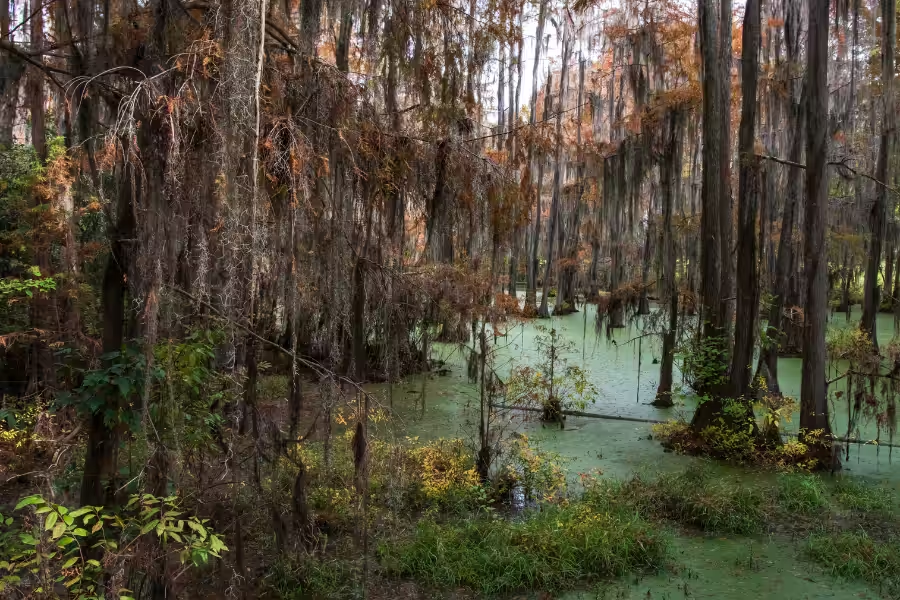
Healthy ecosystems with lots of plants can support more animals. The Everglades is filled with plants that provide many spaces for pythons and other animals to hide. 


This leads to more populations living in the ecosystem.

More Shelter

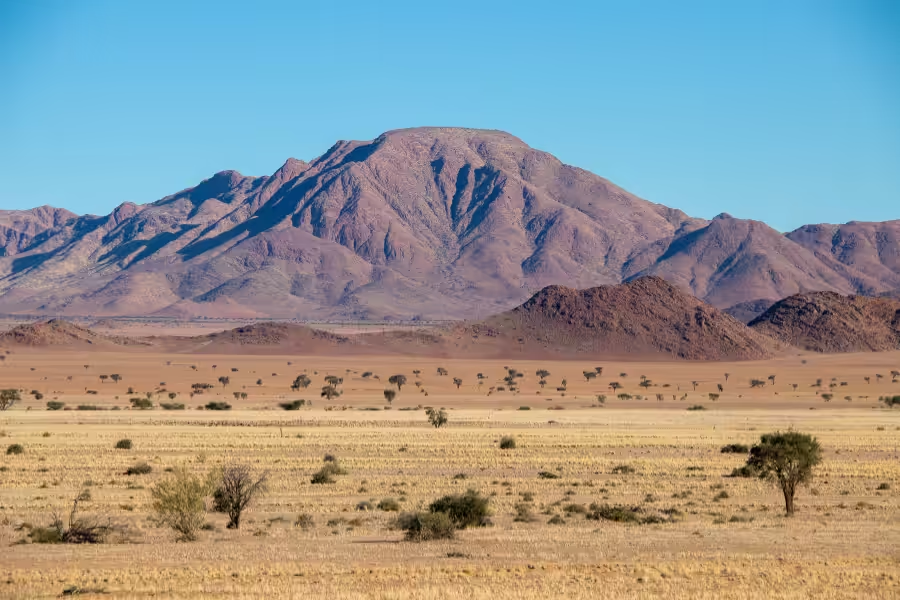
Less Shelter

Think About It:

Imagine someone starts watering a desert area. More water leads to more plants, and soon that desert looks like a small grassland. Will the number of animals that live there go up or down? Why?

Ecosystem Difference 4: More Animals Means More Food

When more animals live in an ecosystem, the number of prey animals increases. Prey are animals that other animals hunt and eat, like mice, frogs, or small birds.

With more prey available, predators have more food, which can cause predator populations to grow.

This affects animals in different ways:

  • Native predators may grow in number because there is enough food to support them.
  • Invasive predators, like the Burmese python, can grow too quickly because they have lots of prey and few natural enemies.
  • When invasive predators increase:
  • they eat more animals than the ecosystem can replace
  • prey animals can disappear
  • native predators may lose food and struggle to survive

This can throw the ecosystem out of balance, harming many animals—not just one species.

D. Ecosystem Connections

All the parts of an ecosystem are connected. What happens in one part impacts another.


Directions: Drag and drop the Parts of an Ecosystem in the order that shows the correct sequence of events.