1.1 Plastic Meets Animals

Launch: The Mystery of Peanut

A. Meet Peanut

This turtle’s name is Peanut. Take a close look at her.


Discuss: Discuss the following with your team.


  • What do you notice about Peanut?
  • What do you think might have happened to her? What evidence supports your idea?

Keep your team’s ideas in mind as you look at another piece of evidence.

B. What Happened to Peanut?

Peanut wasn’t always shaped this way. When she was young, she looked much more like other turtles. But something happened. Click the button below to see how peanut got his shape. 


Discuss: Discuss the following with your team.

  • What new evidence do you see?

  • How does this evidence change your explanation of what happened to Peanut?


Discuss: Discuss the following with your team.

  • What new evidence do you see?

  • How does this evidence change your explanation of what happened to Peanut?

C. Peanut Grew. The Plastic Didn't.

Read and Discuss: Read Peanut’s story below. Then disucss the following questions with your team: 

  • What does Peanut’s story show about how plastic pollution can affect an animal?
  • Do you think plastic pollution could affect other animals in different ways? Why?

When Peanut was young, she became caught in a plastic six-pack ring that had been left in the environment. The ring was pollution, something that gets into the environment and can harm living things.

Peanut kept growing, but the plastic ring didn’t. As her body grew larger, the ring stayed wrapped tightly around the middle of her shell. Her shell grew around it, creating the unusual shape you see today.

But the ring didn’t just change Peanut’s shape. It squeezed her body and did not give her enough room to grow normally. Some of the organs inside her body could not grow in the way they normally would. This could make it harder for those organs to do their jobs and for Peanut’s body to stay healthy. Peanut survived, but the plastic ring caused damage that would stay with her for the rest of her life.

Discuss: Discuss the following with your team.

  • What does Peanut’s story show about how plastic pollution can affect an animal?
  • Do you think plastic pollution could affect other animals in different ways? Why?

Peanut’s story shows us one way plastic pollution can affect an animal. But Peanut is only one animal and one example of plastic pollution.

Peanut’s story shows us one way plastic pollution can affect an animal. But Peanut is only one animal and one example of plastic pollution

Explore: Plastic's Hidden Dangers

A. Where Animals Encounter Plastic

Peanut is a freshwater turtle. She was found near a creek, so her story is one example of plastic pollution affecting an animal in a freshwater ecosystem. An ecosystem is an area where living things interact with each other and with nonliving parts of their environment, such as water, air, sunlight, and land. Ecosystems can look very different from one another, and different kinds of animals live in them.

Plastic pollution can be found in many ecosystems. Today, you will investigate animals from three. 


Directions: 

  • Click on each image to learn about the following ecosystems: rivers, coastal, and marine. 
  • Find 2 similarities and 2 differences between the ecosystems. 
Plastic, Plastic Everywhere Rectangle Images (2)
Plastic, Plastic Everywhere Rectangle Images (3)
Plastic, Plastic Everywhere Rectangle Images (4)

Mission Log: Complete the Animal Evidence Investigation in your Mission Log to investigate how plastic pollution affects animals in river, coastal, and marine ecosystems.

Directions: Click each animal image to learn how that animal was affected by plastic pollution.

RIVER

Plastic, Plastic Everywhere Rectangle Images (17)
Plastic, Plastic Everywhere Rectangle Images (19)

COASTAL

Plastic, Plastic Everywhere Rectangle Images (21)
Plastic, Plastic Everywhere Rectangle Images (23)

MARINE

Plastic, Plastic Everywhere Rectangle Images (25)
Plastic, Plastic Everywhere Rectangle Images (27)

Look across the evidence you collected.


Discuss: Discuss the following with your team.


  • What patterns do you notice in how plastic pollution affected the animals?
  • How could you sort the animals into groups based on what happened to them?

B. Ways Plastic Can Harm Animals

The animals you investigated were different, but their stories revealed two important patterns.

Entangle means to become caught, wrapped, or trapped in something. When an animal becomes caught, wrapped, or trapped in plastic, this is called entanglement. Entanglement can make it difficult for an animal to move, eat, breathe, or grow normally.

Ingest means to take something into the body by eating or swallowing it. When an animal eats or swallows plastic, this is called ingestion. Ingestion can cause plastic to enter an animal’s digestive system, where it may cause harm. Plastic can block the digestive system or make an animal feel full even when it hasn’t eaten enough real food. Without enough food, the animal may become weak, sick, or even die.

Mission Log: Return to your Animal Evidence Investigation. Identify whether each animal was affected by entanglement or ingestion.

Extend: An Ocean of Plastic

A. Captain Moore’s Discovery

We’ve seen how plastic pollution can affect animals in freshwater, coastal, and marine ecosystems. But just how widespread is this problem?


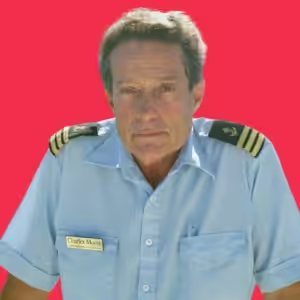
In 1997, Captain Charles Moore, a sailor and researcher from Long Beach, California, was crossing the Pacific Ocean when he made a surprising discovery. Since then, he has spent a lot of his time studying plastic pollution in the ocean.

Can you find California?

Directions: Watch the video and listen to Captain Moore tell the story of what he discovered. As you watch, think about: What did Captain Moore discover during his trip?

Discuss: Discuss the following with your team: 


  • What surprised you about Captain Moore’s discovery?
  • How does this discovery change your thinking about the size of the plastic pollution problem?

B. A Closer Look at the Problem

Captain Moore’s discovery was just the beginning. Watch the next video to learn what happened after his first encounter with plastic pollution in the Pacific Ocean.


Directions: Watch the video to learn how Captain Moore continued investigating plastic pollution after his discovery. As you watch, identify what he and other researchers did to collect evidence and what they learned about the problem.

Discuss: Discuss the following with your team.


  • What did Captain Moore do after his original discovery?
  • Why do you think scientists continue investigating a problem even after making an important discovery?

Callback: Worth Investigating

A. What Are You Wondering?

Captain Moore’s discovery in 1997 was just the beginning of an investigation that has continued for decades. Scientists like Captain Moore keep investigating because there is still much to learn about plastic pollution.


One important part of any investigation is asking questions. Questions help scientists decide what to investigate, what evidence to collect, and what they still need to figure out.


You’ve already investigated how plastic pollution affects animals in different ecosystems. You’ve also learned about plastic pollution far out in the Pacific Ocean. But there is still a lot we don’t know.


Discuss: Discuss the following with your team.


  • What questions do you have about plastic pollution and how it affects animals?
  • What questions do you have about how plastic ends up in different environments?

Mission Log: Write three questions your team wants to investigate about plastic pollution. Keep these questions in your Mission Log. As you continue your investigation, you’ll look for evidence that helps you answer them. You may also discover new questions along the way.